





























Culture

How Chicano Culture Continues to Define Streetwear Style

08 April 2026

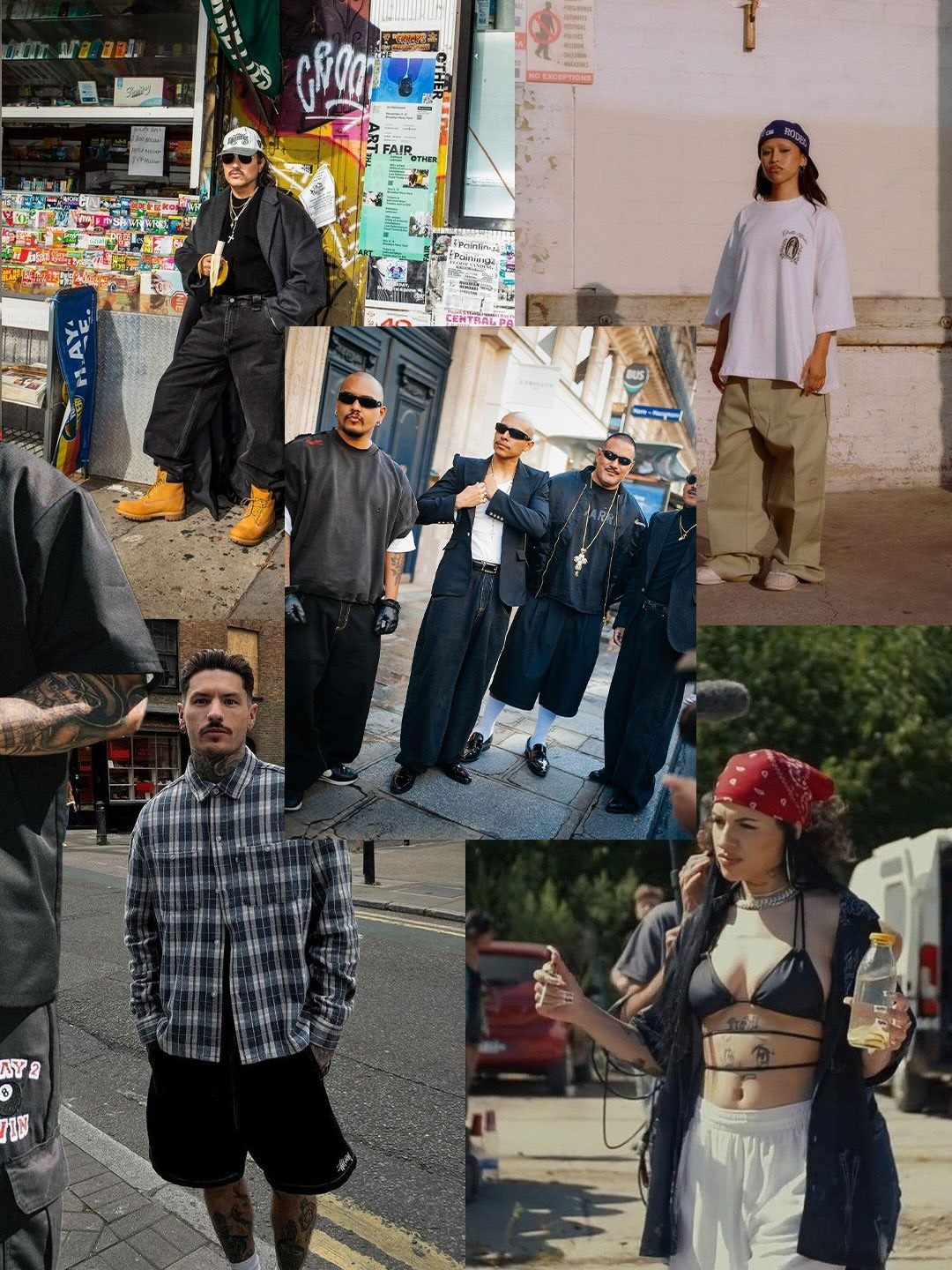
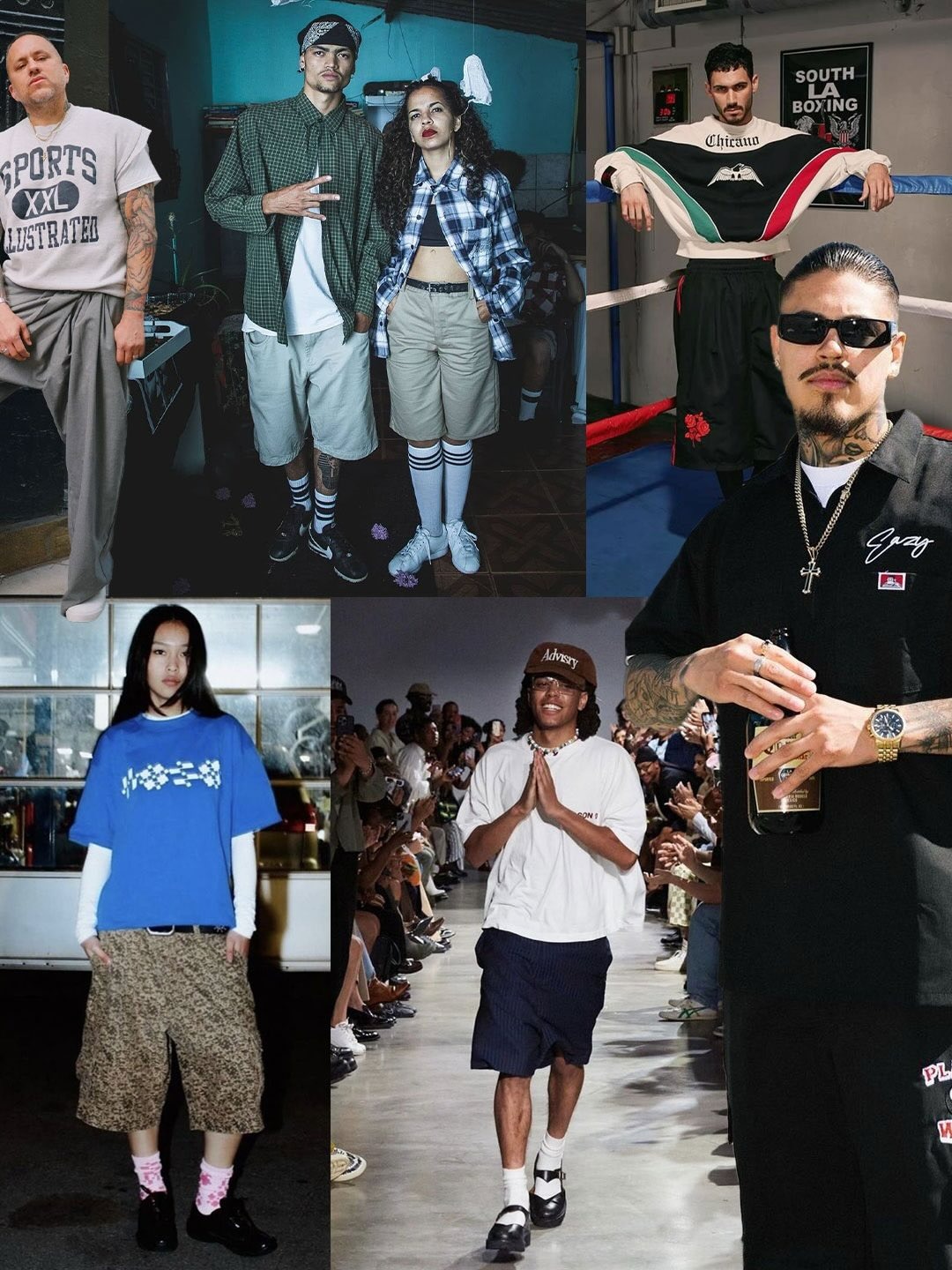
You cannot separate Chicano culture from the way clothing sits on the body. The crease down the front of a pair of pants. The way a tee falls from the shoulder to the waist. The decision to button a shirt all the way up instead of leaving it open. Nothing about the look is careless; it is measured. That discipline has shaped streetwear far beyond the neighbourhoods it came from. The influence traces back to the 1940s, when zoot suits exaggerated proportion in ways that felt almost confrontational. Long jackets, wide trousers, and structured shoulders defined the silhouette. The silhouette was loud, but the message underneath was steady. It said you could not ignore us. That presence carried forward. By the 80s and 90s, what we now recognise as Chicano streetwear had evolved into something rooted in workwear, everyday fabrics, and strong personal codes. Pressed Dickies, clean white tees, flannels worn high at the collar, bandanas folded with intention, Old English lettering stitched or inked with pride. It was never about excess; it was about identity worn properly.


What Defines Chicano Style Clothing Silhouettes?

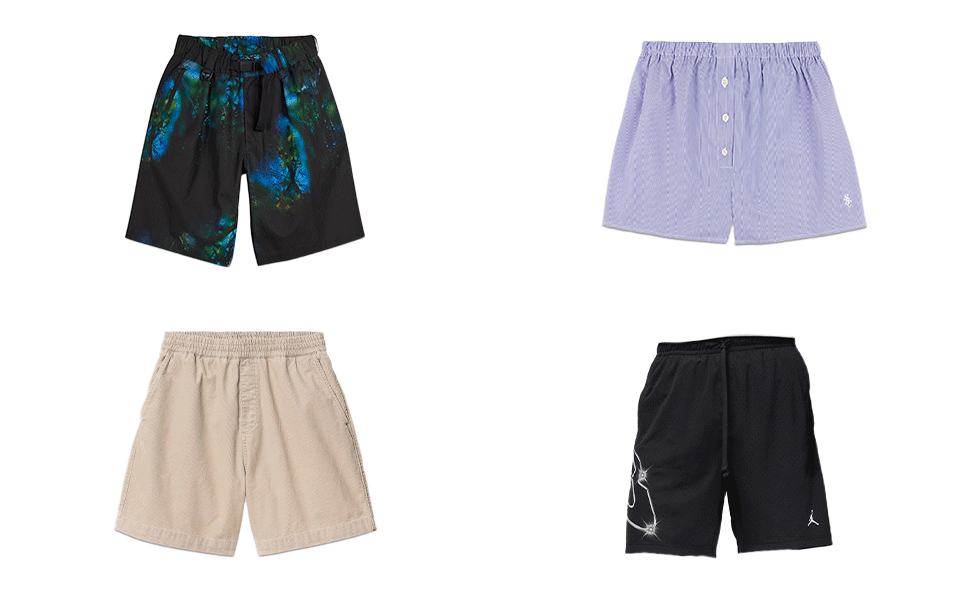
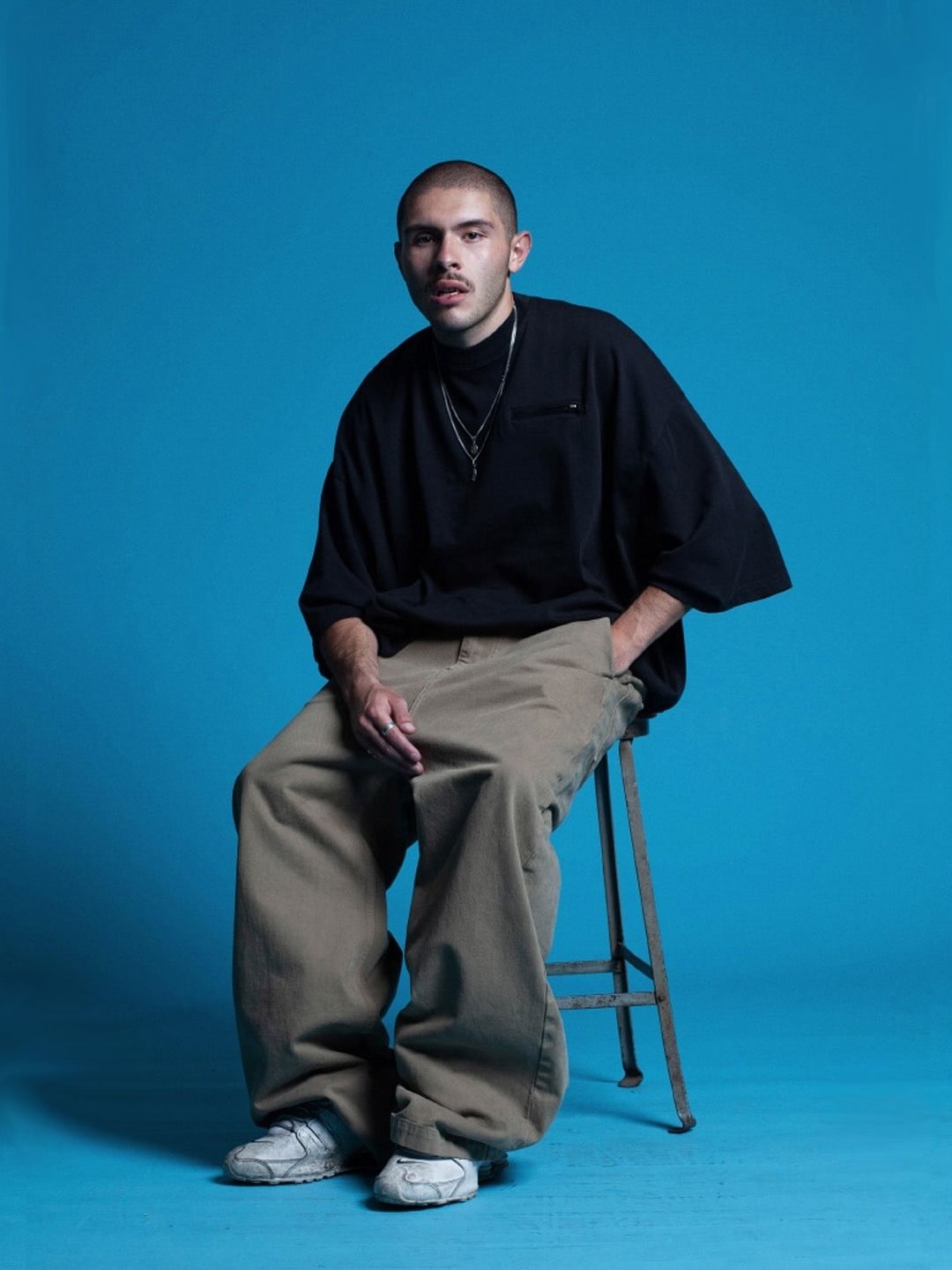
Baggy has never meant shapeless in Chicano-style clothing. The trousers sit loose, but they are creased. The top may be oversized, but the proportions are balanced. Structure matters. That is why voluminous pieces can still feel aligned when they hold their line. The Adidas Originals X WILLY CHAVARRIA DAZZLE LONG SLEEVE JERSEY carries that weight. The body and sleeves are intentionally roomy, but the cut does not lose definition. The mix of shiny tricot and heavyweight cotton gives it presence without feeling flimsy, and the ribbed V-neck anchors the silhouette. Even the sleeve zips, which allow the lower portion to detach, feel functional rather than decorative. When paired with the Adidas Originals x Willy Chavarria Fleece Track Pant, the look stays controlled. The track pants’ shape supports the upper rather than competing, echoing that tradition of volume handled with discipline. You see the same logic in the VegNonVeg’s Crease Wash Jorts. The comfort fit leaves room through the leg, but the crease detail sharpens the profile. The tropical camouflage and subtle embroidery sit within the fabric instead of overwhelming it. It feels expressive, but not chaotic. That balance is familiar.


How Did Workwear Shape Chicano Streetwear in the 80s and 90s?

By the 90s, workwear had become central to Chicano streetwear. Pants were durable, cut for movement, and worn with care. The line of the leg mattered just as much as the looseness. The Gramicci Salem Pant carries that same practicality. The brushed poly-cotton fabric feels substantial without being stiff, and the roomy silhouette gives space without collapsing into excess. The integrated belt and drawcord hems add function, but they do not distract from the shape. It is the kind of pant that works because it respects proportion. What has always defined the look is restraint, a structured pant, a clean tee, and a strong stance, with nothing layered simply for the sake of noise.


Why Are Bandanas and Graphics Important in Chicano Culture Clothing?

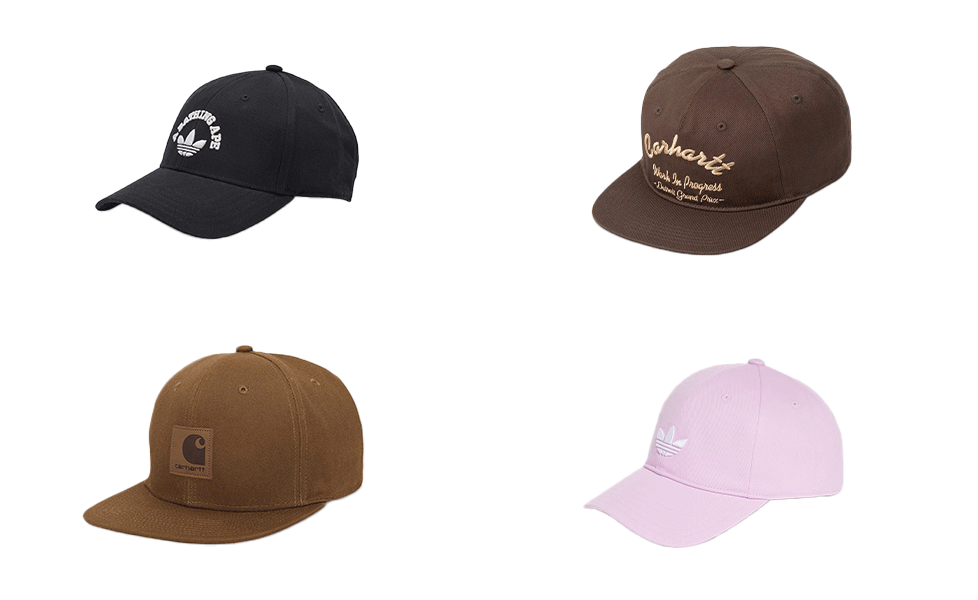
Typography has always held weight in Chicano culture clothing. Old English lettering, stitched across chests or painted on walls, carried references to family, faith, and neighbourhood. The message mattered as much as the garment. The Adidas Originals X WILLY CHAVARRIA DAZZLE LONG SLEEVE JERSEY speaks to that connection. The applique wordmark across the body, the embroidered Trefoils stacked at the chest, and even the rose stitched beneath the back collar all feel embedded rather than printed for trend. The details sit within the garment’s structure, not on top of it. Headwear also plays a role, not as an afterthought but as part of the code. The VegNonVeg Distressed Camo Trucker introduces texture without breaking the line. The boxy fit and subtle camouflage pattern add depth, but the piece remains grounded. It feels like something you wear daily, not something you style once. One of the most iconic items of Chicano streetwear is the bandana. The Vandy The Pink Cotton Bandana sits naturally within that tradition. Worn under a cap or tied at the head, it adds detail without disrupting the silhouette. The fabric is straightforward. The meaning comes from how it is worn.


Why Does Chicano Culture Still Define Modern Streetwear Style?

The reason Chicano culture continues to define streetwear is not that fashion borrowed baggy pants or flannels. It is because the principles remain relevant. Clean presentation. Structured silhouettes. Clothing worn with pride. Modern streetwear, especially at its sharper end, reflects that discipline. Pressed lines are returning. Proportions are being handled more carefully. Volume is back, but it is controlled. You can trace that clarity back through decades of Chicano style clothing. At VegNonVeg, when pieces align with that language, it is not about imitation. It is about recognising silhouettes that carry the same respect for structure and presence. Whether it is the voluminous build of a jersey, the crease in a jort, the sturdiness of a brushed pant, or the subtle detail of a bandana, the influence is visible. Not loud, not forced, just steady. And that steadiness is exactly why it still shapes streetwear today.